

Children find it easy to learn French. But they struggle with saying it.
Sounds almost too simple, but that’s often where the hesitation begins. A child knows the word. They have seen it before. Maybe they’ve even written it twice in their notebook. Then someone asks them to read it aloud.
Silence.
Not because they forgot it. They’re just not sure how it should sound.
That’s where phonetic awareness quietly does its job.
How Does Phonetics Help in French Learning?
French doesn’t always say what it writes. That’s probably the easiest way to explain it. Letters disappear. Some sounds come together. A word looks one way but sounds completely different. Children naturally try to read French the way they read English. Honestly, who wouldn’t?
Then they discover words like bonjour, maison or beaucoup. That’s usually the moment they realize French has its own way of doing things.
Phonetic awareness is simply getting familiar with those sound patterns. Not memorizing hundreds of words. Just recognizing how the language behaves.
Little by little.
Confidence Doesn't Begin With Grammar
Parents often think confidence comes after grammar. Or after vocabulary grows. Sometimes it comes much earlier. The first time a child reads a new French word without guessing. The first time, they answer without looking around to see if they’re right. Small moments. Easy to miss.
But that’s confidence growing.
Once children stop worrying about every pronunciation, they start listening differently, too. French pronunciation is beginning to make sense rather than feel random. Reading becomes smoother. New words don’t look so frightening anymore.
It’s funny. Nothing has really changed.
But everything has.
Let Children Hear French More Often
Children learn sounds before rules. They always have. Stories, songs, short conversations, cartoons…these things matter more than we sometimes realize. They hear the rhythm first. Then the words begin to settle. Then speaking feels a little less awkward.
Don’t rush to correct every mistake.
Sometimes they already know it sounds wrong. They need another chance to say it.
That’s learning too.
Learning French Beyond The Textbook
At VFI, phonetic awareness isn’t treated as one chapter that’s finished and forgotten. It comes back in conversations, listening activities, and everyday speaking. Children don’t just learn French. They slowly become comfortable using it.
The same idea helps adults as well.
Many learners preparing for TEF Canada or TCF Canada already know grammar. What they need is confidence while listening and speaking. Real conversations don’t wait while you translate every sentence in your head.
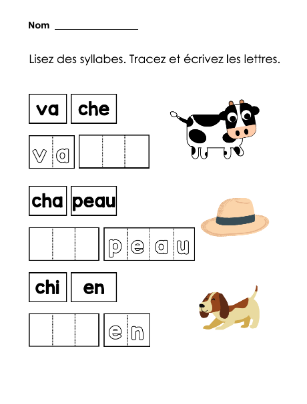
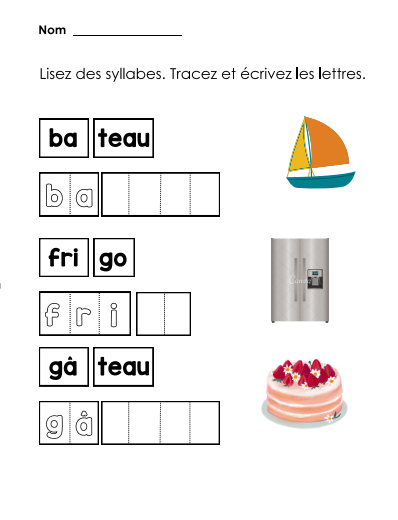
What Does Phonetic Practice Look Like?
At VFI, phonetic awareness isn’t just explained—it is practiced through simple sound-building activities.
Whether it’s your child taking their first French class or you’re preparing for TEF Canada or TCF Canada, the journey often begins the same way.
Not with difficult grammar.
Not with long vocabulary lists.
Just by understanding how French sounds.
Everything else…usually follows.
And just like any other learning, the right guidance puts any challenges under your control. Trainers at VFI take a comprehensive approach to language instruction, so all students learn it the right way!