
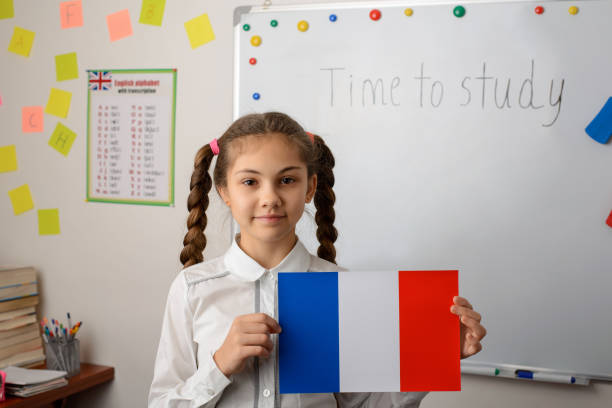
The first day of French immersion is probably exciting for your child. It can also make you a little nervous.
Many questions begin to bother you. Will my child understand the teacher? What if they don’t know what to say? Should they know some French before they start?
In fact, they don’t need to walk into their first French class speaking perfect French. That’s the whole point of being there. They are going to learn.
What helps, though, is making French feel a little familiar before that first day.
Start with little bits of French at home
You don’t have to start speaking French all day at home suddenly. That can feel like work for everyone. Just start small.
Say bonjour when your child wakes up. Count their toys in French. Name a few things around the house. Put on a French children’s song while they play or draw.
That’s enough to begin with.
Let them make mistakes.
Your child will say things wrong. Of course they will. That’s how language learning works. So try not to turn every little mistake into a correction. If they say something incorrectly, repeat it correctly and move on.
They need to know that speaking French doesn’t have to be perfect.
If they worry about getting every word right, they may stop trying.
A little confidence goes a long way.
Have a little practice run.
You can actually make the first day into a game.
Talk about what might happen that morning. Who is taking them to school? What’s going into the bag? Where will they go when they arrive? What might the teacher say?
Then swap roles.
You be the teacher. Give your child a few simple instructions in French. Let them be the student. Then let them become the teacher and boss you around for a change.
It doesn’t need to be a proper lesson. The sillier it gets, the better.
At VFI, children get to hear and use French as part of their learning. Getting used to hearing the language beforehand can make those first few days feel less strange.
Bring French into normal life.
French doesn’t have to happen only at school.
Read a French children’s book before bed. Listen to a French song in the car. Point out a French word when you happen to see one around Victoria.
And ask questions.
What do you think that means?
Can you guess what the teacher might say?
You’re not testing them. You’re just getting them curious.
That small difference matters.
Don’t expect the first day to go perfectly.
Your child might come home and tell you every little detail. Or they might drop their bag, ask what’s for dinner, and give you a very confident, “I don’t know.”
Both are fine.
Some children pick up French quickly. Others need more time to listen, watch, and get comfortable before they start speaking. That’s normal.
If your child is taking French classes at VFI, let the learning build gradually. The regular classes, conversations, activities, and simple everyday practice give children more chances to hear French and use it without feeling like they are being tested all the time.